Lightweight and adaptable: Terracotta facade for timber construction
Tonality for timber buildings: low weight and minimal installation height. The single-shell Tonality facade ceramic has a low weight per unit area, making them particularly suitable for architectural timber construction.
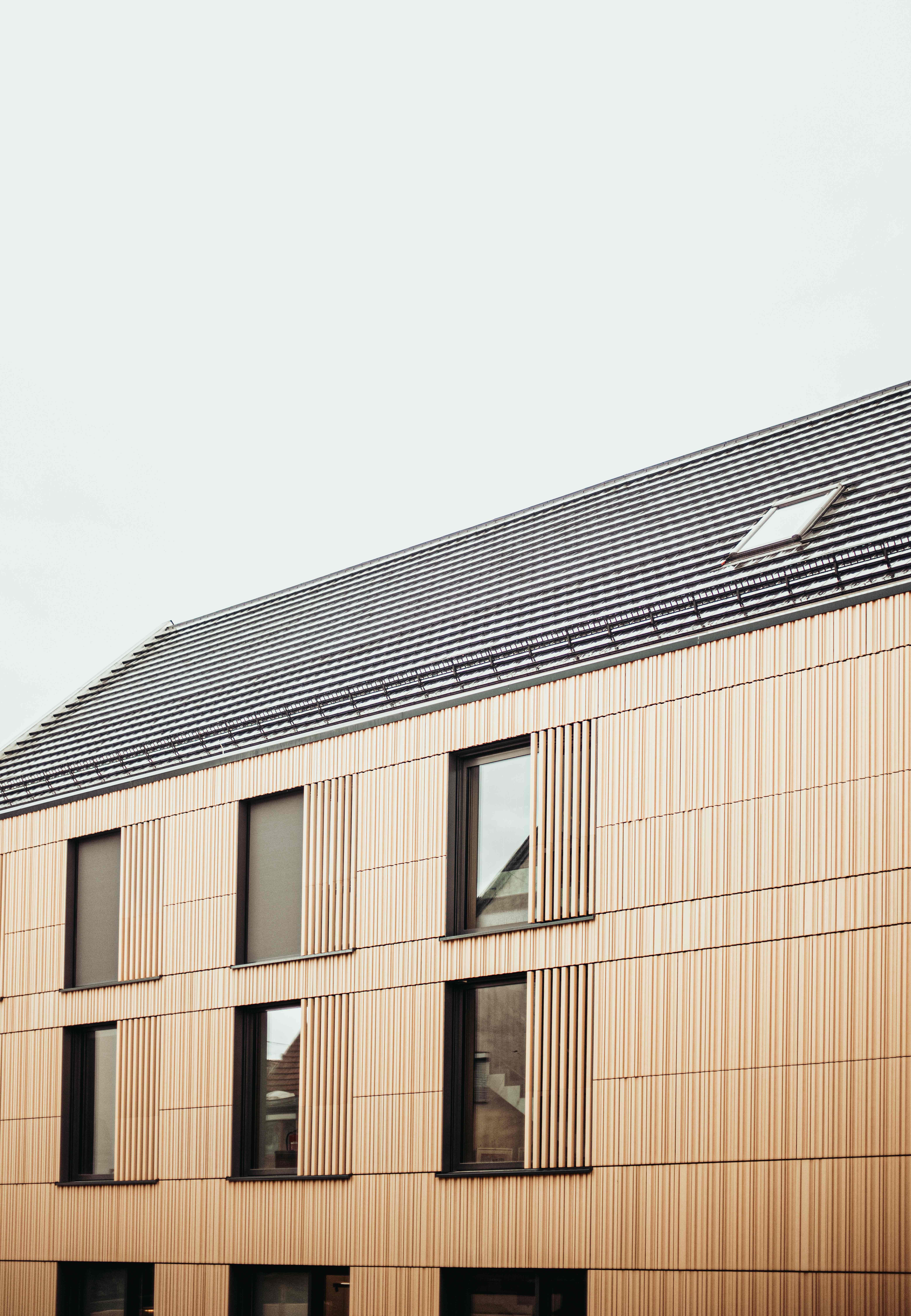
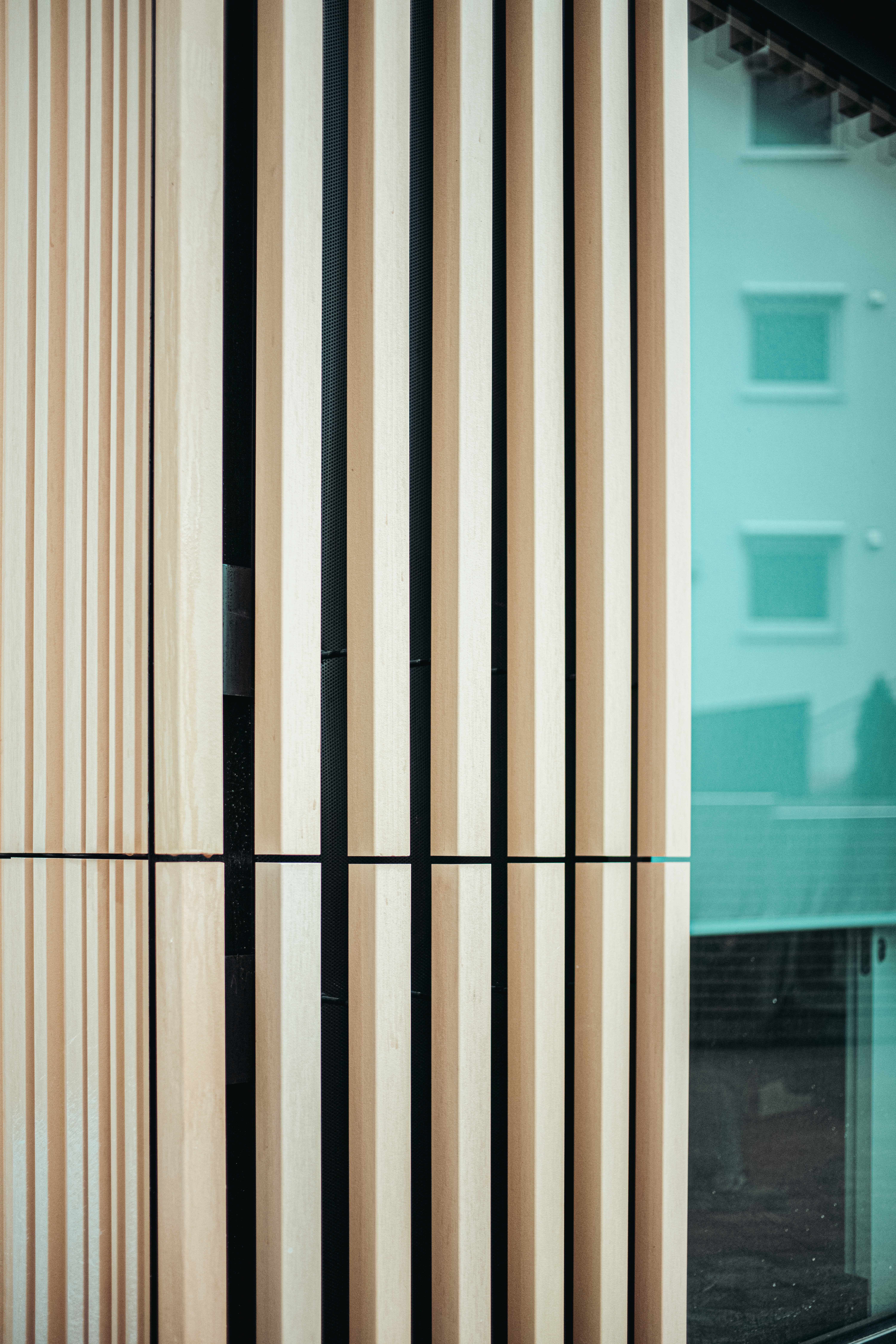

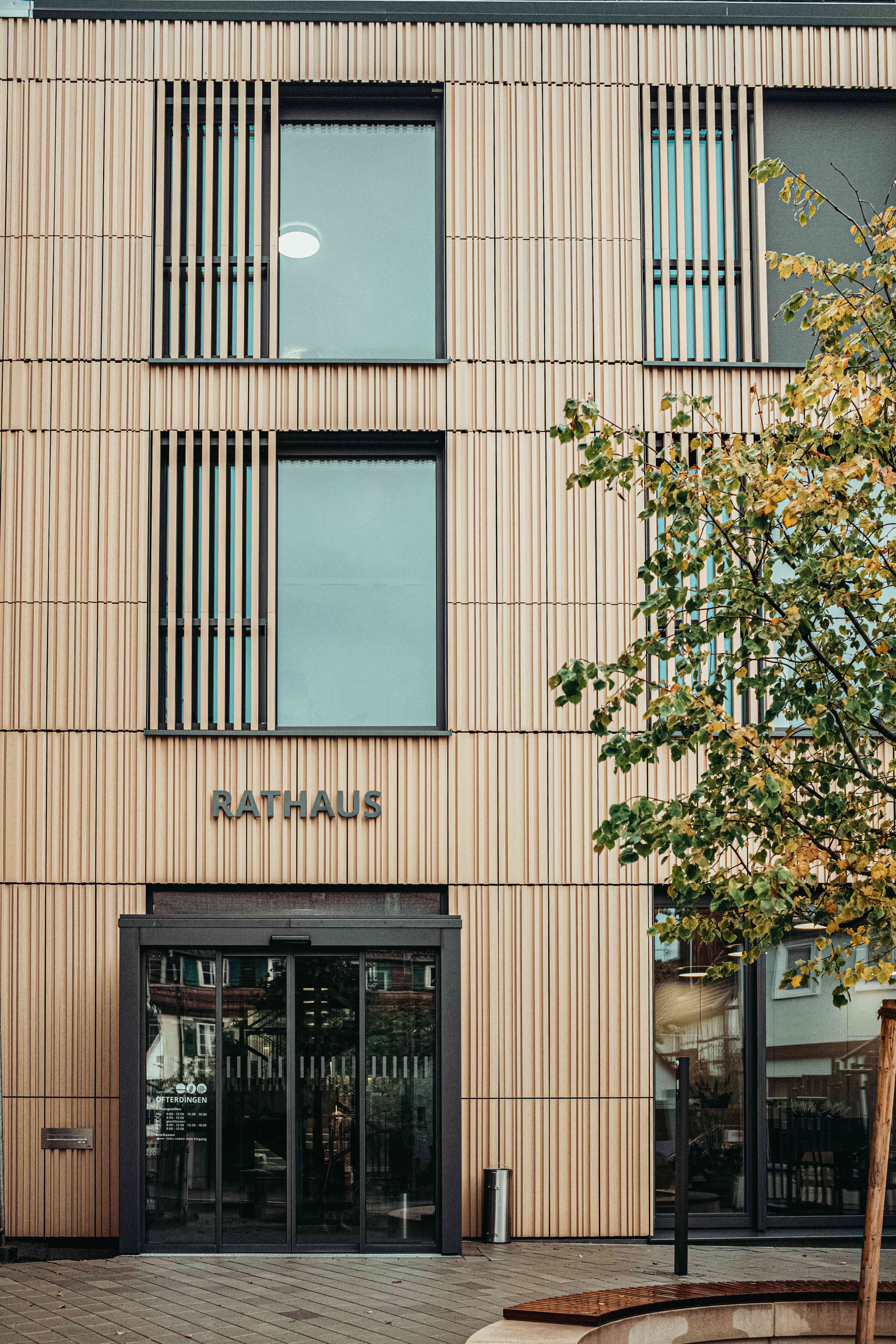
The timber construction rate has recently risen for both new residential and non-residential buildings. Reasons for this are likely to be found in areas such as prefabrication and resource-efficient construction. Tonality, a company belonging to Leipfinger-Bader, has also noticed growing interest among architects in ceramic facades for timber buildings. An important deciding factor here is the almost endless design possibilities offered by ceramics and the lifelong product quality. The questions that arise relate in particular to the weight of the ceramic facade. “The weight of the wooden facade is an important issue for architects and often causes them uncertainty, but this can usually be quickly dispelled in discussion,” explains Michael Klein, Sales Manager DACH at Tonality (Leipfinger-Bader).
Single-shell, lightweight, and environmentally friendly
The single-shell Tonality facade ceramic has a low weight per unit area of only around 40 kilograms per square meter. By comparison, double-shell ceramic weighs around 60 kilograms per square meter or more, which makes it practically unsuitable for use in timber construction. Despite being single-shell, Tonality ceramics offer all the possibilities of profiling: a profile depth of up to 29 millimeters is easily achievable. A current EPD also certifies that the ceramic facades meet the highest sustainability standards in terms of materials and production processes. Phases A1 to A3 (raw materials, transport to the factory, production in the factory) account for 18.5 kilograms of CO2 equivalents per square meter. Phases A1 to A5 (raw materials, transport to the factory, production in the factory, transport, installation) account for 20.95 kilograms of CO2 equivalents per square meter.
Fire protection as a deciding factor
The ceramic elements are also classified as building material class A1. This means they are non-combustible and naturally contain no combustible components. “More and more planners are opting for ceramic facades for fire protection reasons,” explains Klein. Above a certain building class, costly sprinkler systems often have to be installed for wooden facades. Under certain conditions, this is not necessary when using a ceramic facade. Regional or property-specific fire protection regulations must be taken into account.
More rentable living space
The curtain-type, rear-ventilated Tonality ceramic facade also ensures a particularly slim wall construction in wooden buildings, as the necessary insulation is located on the inside and the single-shell ceramic has a construction depth that is approximately 30 millimeters less than that of a double-shell ceramic panel. This means that it does not add any extra centimeters to the facade and even saves space. The building thus has more rentable interior space overall – an important factor, especially in the case of borderline developments, where every centimeter often counts. For example, the 20 to 24 centimeters saved in insulation thickness can be added to the floor space. High product flexibility is also evident in the tolerance structure: tolerances of 20 millimeters to 60 millimeters can be easily accommodated. Another advantage is that ceramic facades can be completely recycled and remain in the construction industry cycle.
High degree of prefabrication
In this context, Leipfinger-Bader is also working on increasing the degree of prefabrication of ceramic facades for timber construction. One possibility, for example, is that the substructure could be pre-assembled at the factory and delivered to the construction site as a finished module. The ceramic would then only need to be hung in place – developments that are intended to promote modular construction, reduce the workload for skilled workers, and accelerate construction progress.